

Most Aussie punters know keno as a quick, numbers-based pastime that sits comfortably between a pokies spin and a full sportsbook session. When you move that experience into a digital lounge, the appeal shifts from pure chance to a low-pressure way to learn the pacing, the ticket sizes, and the way a casino structures its draws. For adults 18+ who want to test the feel of an online room without handing over a deposit, free play keno online offers a practical sandbox. It is not a shortcut to profit, and it never replaces a real-money account, but it does give you a clear view of how a platform handles tickets, rounds, and session flow before you commit any funds.
| Detail | Specification |
|---|---|
| Positioning | Free-play keno lounge for practise and session familiarisation |
| Games/providers | Standard 1-80 keno draws with fixed ticket templates |
| Bonus mechanics | Demo credits refresh daily, no cash conversion |
| Payments/currencies | AUD display, no real-money flow in free mode |
| Registration | Optional demo access, full account for real play |
| Mobile | Responsive browser play, no separate app required |
| Support | In-game help panel and live chat for account queries |
| Loyalty | Separate real-money tier, demo play excluded |
How a demo keno session actually runs from the first ticket

When you open a free-play keno page, the first thing you notice is the ticket panel, not a flashy bonus offer. You pick a set of numbers, choose how many spots to mark, and set a virtual stake that has no relationship to your bank balance. The draw then runs on a timed cycle, and the screen highlights matched numbers against the paytable so you can see how often different catch patterns return credits. From a design perspective, that loop matters more than the theme of the background graphics. I have sat through enough product reviews to know that a wagering interface earns trust when the ticket flow is predictable and the results are easy to trace, rather than burying the paytable behind animations. A decent demo session lets you watch three or four rounds in a row, compare a five-spot ticket against a ten-spot ticket, and work out whether the pace suits your attention span. Regional Queensland players often treat this as an arvo exercise rather than a serious session, because the value is in understanding the cadence before any real money is involved. If you want to see how one operator presents that flow without opening a funded account, you can work through the demo entrance at crocoplaylogin.com and note how the ticket panel is laid out before you decide whether the room matches your habits. crocoplaylogin.com
What the cashier flow teaches you before you fund an account
Free play keno online is useful precisely because it separates the entertainment loop from the money loop, which means you can study the cashier without pressure. When you later move to a real-money account, the deposit path should feel like a plain sequence: select a method, enter an amount, confirm the transaction, and see the balance update without a maze of intermediate screens. In my experience building retention flows for wagering products, the biggest drop-off happens when a cashier asks for too many decisions up front, especially on a first deposit. A clean operator will show AUD as the display currency, list the accepted methods clearly, and make the limits visible before you click confirm. Withdrawals deserve the same scrutiny, because a demo session cannot show you processing times, verification steps, or the difference between a pending status and a completed transfer. That is where you need to read the terms carefully and treat the free-play lounge as a map of the interface rather than a promise of how fast cash will move. A practical habit is to note which payment options the platform highlights during demo mode, then check whether the same options appear in the real cashier with consistent naming and clear limits.
Where compliance and responsible play fit into a demo session
A free-play keno room can feel harmless because no money changes hands, but the compliance habits you build there still matter when you switch to real stakes. Good platforms make the age gate visible, keep the rules easy to find, and avoid language that implies a demo ticket is a rehearsal for guaranteed returns. I have seen startups treat responsible-play messaging as an afterthought and then scramble to retrofit it before a licence review, which is a poor way to build a product that lasts. The better approach is to treat the demo environment as a place where the same boundaries appear, just without the financial consequence. That means clear session timers, easy access to rules, and no pressure tactics that blur the line between practice and play. For an Australian audience, it is also worth remembering that online casino-style wagering sits in a different regulatory space than sports betting, so the presence of a demo mode does not make the operator licensed or regulated in this market. Treat the free session as a tool for familiarisation, not as a signal that the whole product is locally approved. If the interface makes it hard to find the rules or the help options, that is a useful warning before you ever deposit.
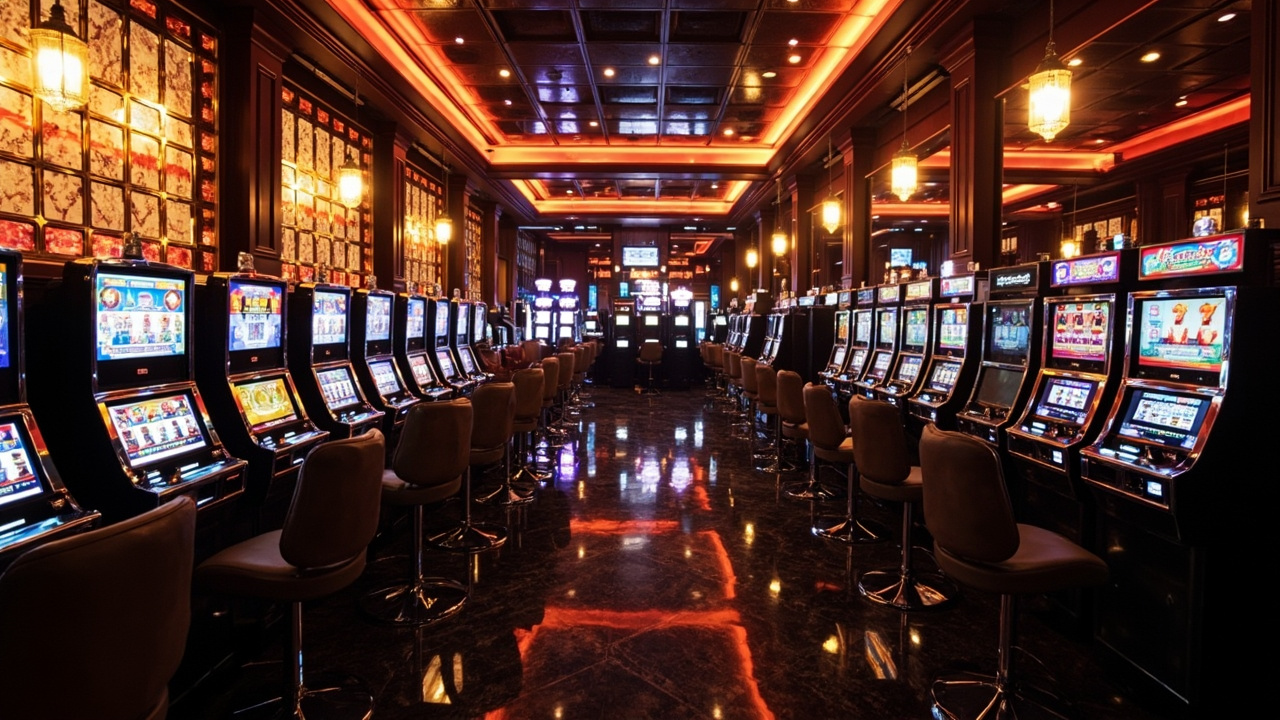
When free play is useful and when it stops being useful
The strongest case for free play keno online is simple: it lets you learn the rhythm of the game and the layout of the platform without committing funds. That is genuinely helpful if you are new to keno, if you want to compare ticket structures, or if you are trying to decide whether a particular room’s pace matches your own. The weakness appears when the demo becomes a substitute for reading the real terms. Virtual credits do not show you withdrawal windows, verification requirements, or the way a platform handles a paused session, so the free lounge is only a partial map. I would rather see a player use demo mode to check the interface, then switch to the real account with a clear idea of what they are testing next. That is a more honest use of the tool than treating it as a rehearsal for profit. If you have already spent time in a free keno room, I would be interested to hear whether it actually helped you pick a platform or whether it just felt like a neat way to pass an arvo – drop a comment below or send the piece to a mate who is curious about the difference between demo play and a funded account.


